CBL-514 is an injection that makes some fat cells die off rather than shrink. In a 41-person subset of Phase 2 trials, visceral fat fell about 12% on average versus a rise on placebo, and rats given it with tirzepatide regained less weight after stopping. The results are from a conference and company releases, not a peer-reviewed paper, and UK experts say bigger, longer trials are needed.
On 2 October the FDA told Lilly that retatrutide, with a 39-amino-acid chain, does not count as a protein, so any US application must go through the standard new-drug route. The appeals court has asked both sides whether Lilly can appeal at this stage and has not ruled; Lilly says it will file for approval by the first quarter of 2027. Retatrutide is still unapproved anywhere.
Lilly's Phase 3 ACHIEVE-4 trial, published in The Lancet, found Foundayo (orforglipron) was no worse than insulin glargine for major heart events in people with type 2 diabetes and raised cardiovascular risk, with better blood sugar and weight results.
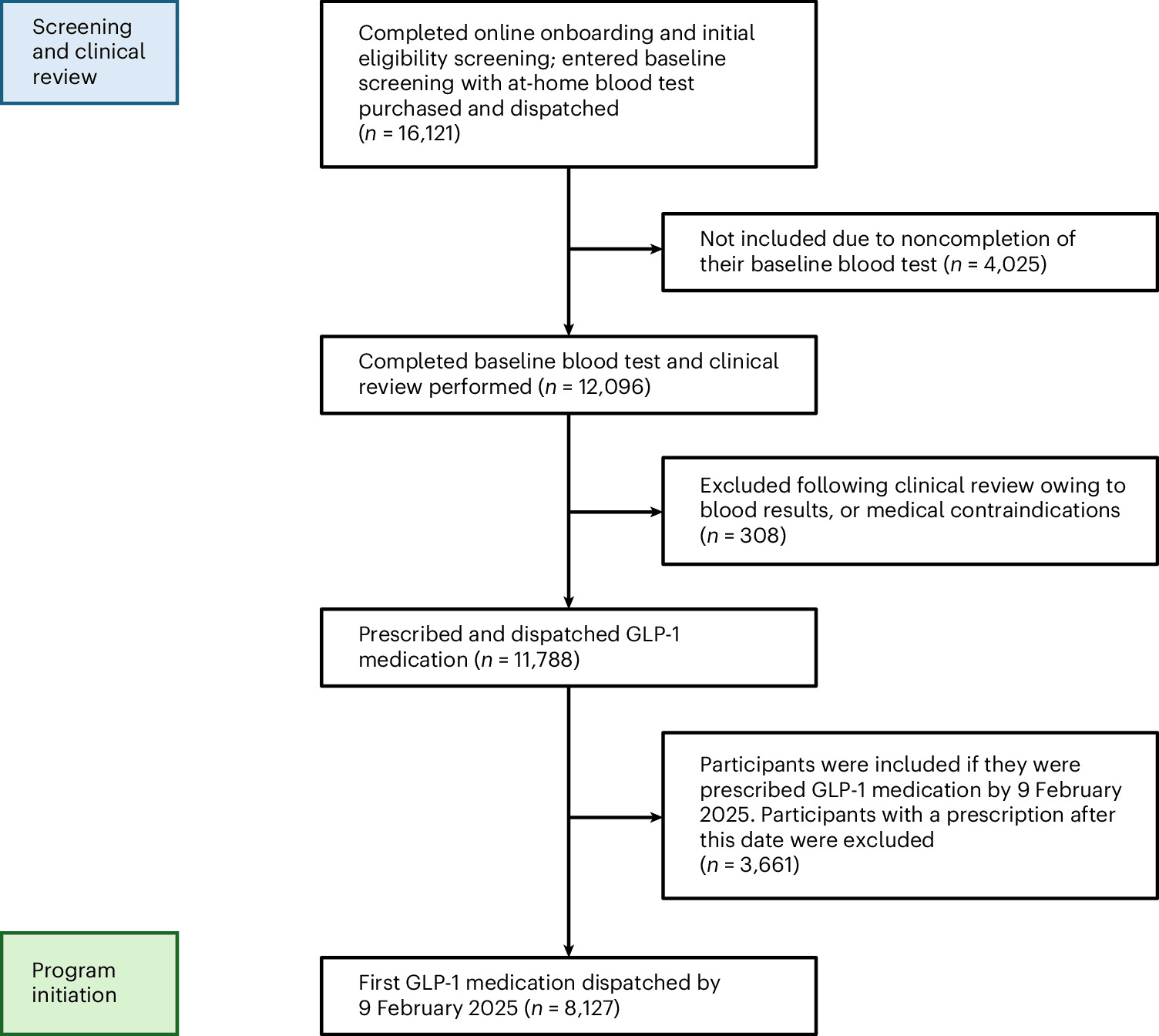
A UCL-led observational study of 8,127 UK women on a digital weight-loss service run by SheMed and eMed (almost all on tirzepatide) reported average loss of 16.1kg, or 15.5%, at six months, with 91.4% still on treatment. The service used home blood tests, weekly video check-ins and clinician-led dose changes; the authors note there was no comparison group and follow-up was only six months.
Writing in the Mail on Sunday, GP Ellie Cannon says stomach cramps and bowel upsets are among the most common reasons people stop Mounjaro and Wegovy. She argues slower, reviewed dose increases, picking the right injection day and smaller meals can help, and that severe pain spreading to the back needs urgent care as it can signal pancreatitis or gallstones.